

California to China Relocation Guide
Feb 25, 2026

Relocating from California to China is more than a geographical shift: it’s a cultural transformation, a professional leap, and for many, a deeply personal adventure. Whether you’re drawn by career opportunities, family connections, business expansion, or a desire for global experience, moving from California to China presents both unique challenges and remarkable rewards.
At Atlas Allied, we understand that international relocation requires more than boxes and shipping containers. It requires foresight, expertise, and a partner committed to delivering a seamless, 5-star moving experience with peace of mind every step of the way.
This California to China relocation guide will walk you through everything you need to know, from planning and logistics to cultural adaptation and settling in confidently.
Why Are People Relocating from California to China?
The motivations vary, but common drivers include:
- Career growth and global assignments: Many professionals relocate to access leadership roles, expand their international experience, or participate in company-sponsored assignments within China’s rapidly evolving industries.
- Business expansion into Asian markets: Entrepreneurs, executives, and businesses move to China to establish local partnerships, oversee manufacturing, or tap directly into one of the world’s largest consumer markets.
- Teaching and academic roles: China offers strong demand for English teachers, university lecturers, and international school educators, often with competitive compensation and housing benefits.
- Family relocation or marriage: Some individuals move to join spouses or extended family, navigating visa processes and cultural integration while building a new life together.
- A desire for cultural immersion: Many are drawn by the opportunity to learn Mandarin, explore China’s 5,000-year history, and experience daily life in a society vastly different from California’s West Coast culture.
Planning Timeline: 6–12 Months Before the Move
Relocating internationally requires thoughtful preparation. A realistic timeline looks like this:
6–12 Months Before Departure
· Secure employment or sponsorship
· Begin the visa documentation process
· Research housing and schooling options
· Consult an international relocation expert
3–6 Months Before
· Finalize visa approval
· Organize international shipping
· Downsize belongings
· Arrange health insurance
1–2 Months Before
· Confirm housing arrangements
· Set up international banking options
· Prepare essential documents (translated where required)
Working with an experienced international mover ensures every stage is managed securely and professionally.
Documentation and Visa Requirements

Most expatriates moving from California to China will need to secure the appropriate entry visa before departure. The type of visa depends on the purpose of your stay:
Z Visa (Work Visa)
Required for individuals accepting employment with a registered Chinese company. This visa allows entry into China for work purposes and must be converted into a residence permit within 30 days of arrival.
Work Visa (Z Visa) requirements typically include:
- Official job offer and work permit notice: Your Chinese employer must be legally registered and authorized to sponsor foreign employees.
- Medical examination: A government-approved health check is required, often completed both before departure and again after arrival.
- Criminal background check: Applicants must provide a recent background check, usually authenticated and legalized through Chinese consular channels.
- Authenticated academic credentials: Degree certificates and sometimes transcripts must be notarized and authenticated to verify professional qualifications.
S Visa (Family Visa)
Designed for spouses, children, or parents of foreign nationals working or studying in China. Depending on duration and relationship, this visa may also need to be converted into a residence permit after entry.
X Visa (Student Visa)
Issued to individuals enrolled in academic programs or long-term study at recognized Chinese educational institutions. Like the Z visa, long-term student visas require a residence permit upon arrival.
Visa regulations and procedures are overseen by the National Immigration Administration, and requirements may change based on nationality, city of residence, and employment sector.
Cost of Living Comparison: California vs. China
One of the most common questions when relocating from California to China is: Will it cost more or less to live there? The answer depends heavily on lifestyle, city choice, and whether you plan to maintain a Western-standard lifestyle. According to an estimate, the overall cost of living in Los Angeles is approximately 102% higher than in Shanghai
Below is a high-level comparison between Los Angeles, California, and Shanghai, two globally connected metropolitan hubs:
| Category | Los Angeles, CA | Shanghai, China |
| 1-Bedroom Apartment (City Center) | $2,700–$3,200/month | $900–$1,500/month |
| Public Transport Monthly Pass | ~$100 | ~$30 |
| Meal at Mid-Range Restaurant | $25–$35 | $8–$15 |
| Private International School (Annual) | $20,000–$40,000 | $15,000–$30,000 |
What This Means in Practical Terms
Housing
Rent is typically the most significant savings opportunity when moving from California to China. Even in premium areas of Shanghai or Beijing, high-rise apartments and serviced residences often cost substantially less than comparable units in Los Angeles or San Francisco. However, luxury compounds catering to expatriates can narrow that gap.
Transportation
China’s public transportation systems are efficient, modern, and affordable. Cities like Shanghai and Beijing have extensive metro networks, significantly reducing the need for car ownership, a major expense in California.
Dining and Daily Living
Local restaurants, markets, and services are considerably more affordable. However, imported groceries, Western brands, and specialty items can cost equal to or more than U.S. prices due to import duties.
Education
For families, international schooling is often the largest expense. While still sometimes less than elite private schools in California, tuition in major Chinese cities can be substantial, particularly at American or British curriculum institutions.
Additional Financial Considerations
- Healthcare: International hospitals and private insurance plans add to monthly costs.
- Taxes: U.S. citizens remain subject to U.S. tax filing requirements abroad (consult a cross-border tax advisor).
- Air Quality and Lifestyle Choices: Some expatriates invest in air purifiers, gym memberships, or imported goods to maintain comfort levels.
Lease Terms and Deposits
Rental structures differ from what many Californians are used to:
- 1–3 months’ deposit is standard
- Rent is often paid quarterly or biannually upfront, rather than monthly
- 12-month leases are typical
- Utilities (water, electricity, internet, management fees) may not be included
It’s important to budget for higher upfront cash requirements, even if the monthly rent is lower than in cities like Los Angeles or San Francisco.
Contracts and Legal Considerations
Lease agreements should always be:
- Reviewed carefully
- Provided in both Chinese and English
- Signed only after confirming landlord ownership documentation
Working with a reputable bilingual real estate agent is highly recommended to avoid misunderstandings. Policies can also vary by municipality, so local expertise matters.
Practical Tip for International Moves
If you plan to ship household goods from California, confirm apartment dimensions, elevator access, and building regulations in advance. Some residential buildings have strict moving hours or require advance booking for freight elevators.
For clients who prefer flexibility, secure short-term accommodations first and transition into long-term housing after arrival. This approach reduces pressure and allows you to explore neighborhoods in person.
Relocating From California to China: Banking, Healthcare, and Essentials

When relocating from California to China, daily life logistics can feel very different from what you’re accustomed to in the U.S. Setting up banking, understanding healthcare options, and organizing essential services early will make your transition significantly smoother.
Banking and Payments
China operates largely as a cashless society, especially in major cities like Shanghai and Beijing. Mobile payment platforms dominate everyday transactions. The two primary platforms are Alipay and WeChat.
From taxis and restaurants to utility bills and even street vendors, QR-code payments are standard. While credit cards are accepted in high-end hotels and international stores, they are not widely used for daily purchases.
Opening a Chinese Bank Account
To open a local account, you typically need a passport, a valid visa and residence permit, a Chinese mobile phone number, and a local address.
Major banks with English-language support include Bank of China and Industrial and Commercial Bank of China
Tip: Keep your U.S. bank account active for international transfers, tax payments, and credit history continuity. Many expatriates use international transfer services for better exchange rates and lower fees.
Healthcare System Overview
China operates a dual healthcare system, and understanding the differences can help you make informed decisions before relocating from California to China.
Public hospitals are widely available and generally offer lower-cost treatment compared to private facilities. In major metropolitan areas, particularly Tier 1 cities like Shanghai and Beijing, medical standards are high and many physicians are well-trained. However, public hospitals can be crowded, wait times may be longer, and English-language support is often limited. For expatriates who do not speak Mandarin, navigating appointments and paperwork can feel overwhelming at first.
International hospitals and private clinics, on the other hand, cater specifically to expatriates and globally mobile professionals. These facilities typically provide English-speaking staff, Western-style care environments, and shorter wait times. The overall experience may feel more comparable to private healthcare in California. However, this convenience comes at a significantly higher cost, which is why comprehensive international health insurance is strongly recommended before moving.
Health Insurance Considerations
International health insurance is strongly recommended and often required for work visas. Employer-sponsored packages may include:
- Outpatient and inpatient care
- Emergency evacuation
- Maternity coverage
- International hospital access
Before relocating from California to China, review coverage limits carefully to avoid unexpected out-of-pocket expenses.
Utilities and Everyday Essentials
Once settled into housing, you’ll need to arrange:
- Electricity and water accounts
- Internet installation
- Mobile phone service
China’s internet ecosystem differs from the U.S., with certain Western platforms restricted. Many expatriates research compliant connectivity solutions before arrival to maintain business continuity.
Air quality can vary by region and season, so many families invest in home air purifiers, especially when adjusting to life in China after moving from California’s generally milder air conditions.
Relocating From California to China: Work and Business Environment

- Hierarchy and Leadership Structure: Chinese organizations often emphasize clear reporting lines and respect for senior leadership. Titles and formal roles carry significant importance, and decisions may be made at the executive level rather than through open team debate, which is more common in many California workplaces.
- Relationship-Driven Business (Guanxi): Building trust is central to long-term success. Professional relationships are cultivated through consistent communication, shared meals, and demonstrated reliability.
- Communication Style: Communication can be more indirect compared to the straightforward, candid style often seen in California. Maintaining harmony and avoiding public disagreement is valued. Learning to read context, tone, and subtle cues becomes an important professional skill.
- Work Hours and Expectations: Certain industries, particularly technology, manufacturing, and startups, may operate with longer work hours than the standard U.S. 40-hour work week. However, multinational corporations in cities like Shanghai and Beijing often blend global corporate standards with local cultural practices.
- Entrepreneurship and Market Entry: For business owners moving from California to China, regulatory compliance and local partnerships are essential. Licensing requirements, industry regulations, and regional policies can vary significantly.
Education and Family Life
For families relocating from California to China, education is often one of the most important considerations. Fortunately, major metropolitan areas offer a wide range of high-quality international schooling options designed specifically for expatriate children.
International schools in cities like Shanghai and Beijing commonly offer:
- American curriculum: Ideal for families planning to return to the U.S., these schools follow U.S. academic standards and often provide Advanced Placement (AP) courses to support college admissions continuity.
- British curriculum: Structured around the UK system (IGCSE and A-Levels), this option is popular among globally mobile families seeking internationally recognized qualifications.
- International Baccalaureate (IB): A globally respected program that emphasizes critical thinking, multilingual education, and university preparation worldwide.
Bringing Pets from California to China
For many families, pets are part of the household, and relocating from California to China wouldn’t feel complete without them. However, international pet relocation requires careful preparation, documentation, and timing to ensure a smooth entry.
Pet relocation typically requires:
- ISO-compliant microchip: Your pet must be implanted with an ISO-standard microchip for identification. This microchip number must match all vaccination and health records.
- Rabies vaccination: A valid rabies vaccination is mandatory and must be administered within an approved timeframe before departure. In some cases, proof of antibody testing may also be required.
- Official health certificate: A USDA-accredited veterinarian must issue a health certificate shortly before travel. This document confirms your pet is healthy and fit for international transport.
- Possible quarantine (varies by entry city): Quarantine requirements depend on the city of entry and current regulations. Some cities may require a short quarantine period upon arrival, while others allow home quarantine under specific conditions.
Import regulations are overseen by the Ministry of Agriculture and Rural Affairs, and policies can change. It’s essential to verify requirements based on your destination city and departure timeline.
Adjusting to Life in China After Moving
Expat life in China after moving from California can feel overwhelming at first, especially during the initial months of transition. Common early challenges include:
- Language barriers: While English is spoken in many international business environments, everyday interactions, from taxi rides to grocery shopping, may require basic Mandarin. Learning key phrases early builds confidence and independence.
- Different internet regulations: Certain Western websites and platforms are restricted, requiring adjustments to communication and workflow habits. Researching compliant solutions before arrival helps maintain professional continuity.
- Air quality concerns in certain regions: Air quality can vary by city and season. Many families invest in home air purifiers and monitor local air quality indexes to stay informed and comfortable.
- Cultural communication styles: Indirect communication and a strong emphasis on harmony may differ from California’s typically direct conversational norms. Observing first and adapting thoughtfully can prevent misunderstandings.
However, once the initial adjustment period passes, many expatriates discover unexpected rewards:
- A strong sense of community: Expat networks, professional associations, and international parent groups create welcoming support systems in major cities like Shanghai and Beijing.
- Affordable domestic travel: High-speed rail and regional flights make exploring China’s diverse landscapes and cultural landmarks both accessible and cost-effective.
- Vibrant street culture: Night markets, local festivals, and neighborhood eateries offer immersive daily experiences that quickly become part of your new routine.
- High-speed infrastructure: Modern metro systems, advanced mobile payment technology, and efficient delivery services streamline everyday life.
- Deep historical richness: Living in a country with thousands of years of recorded history offers unparalleled opportunities for cultural exploration and learning.
Relocating From California to China: Climate
One of the most overlooked aspects of relocating from California to China is climate variation. While California is known for its mild Mediterranean weather, especially along the coast, China spans multiple climate zones, from temperate to subtropical to continental.
- Northern China (e.g., Beijing): Cities like Beijing experience four distinct seasons. Winters are cold and dry, with temperatures often dropping below freezing, while summers can be hot and humid. If you’re moving from Southern California, winter heating systems and seasonal wardrobes may require adjustment.
- Eastern China (e.g., Shanghai): Shanghai has humid summers with temperatures frequently exceeding 90°F (32°C) and chilly, damp winters without central heating in many residential buildings. Layered clothing and dehumidifiers are common household essentials.
- Southern China (e.g., Shenzhen): Shenzhen features a subtropical climate with hot, humid summers and mild winters. Typhoon season can also affect coastal regions.
Logistics and Hiring a Moving Company
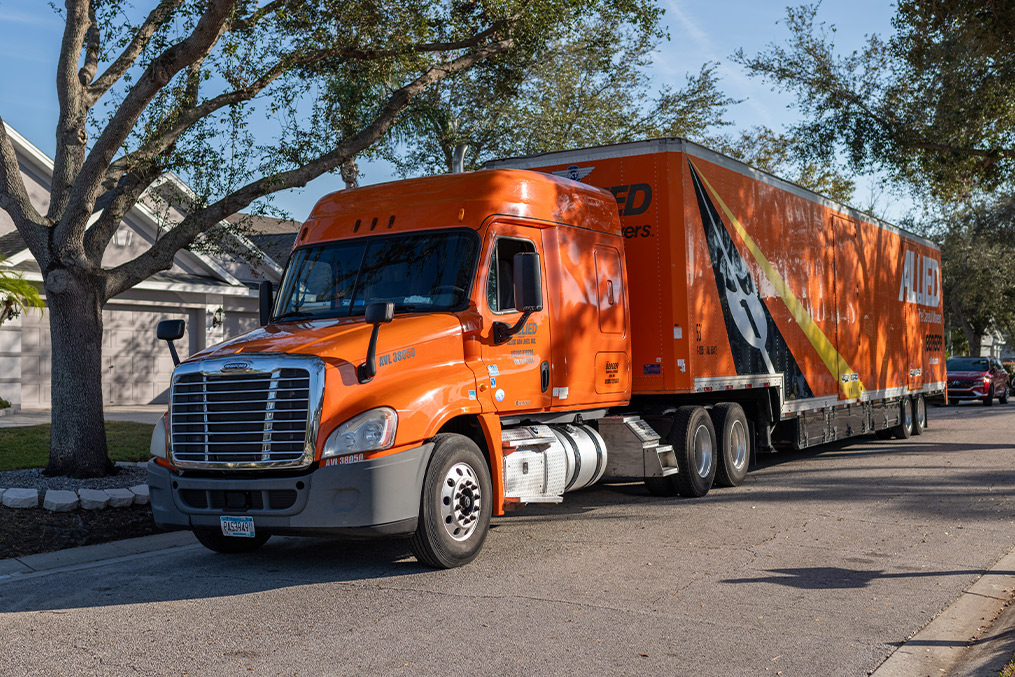
International relocation is complex, and moving from California to China requires meticulous planning. From customs documentation to container shipping and storage, logistics must be handled with precision.
Shipping Options
- Full Container Load (FCL): Ideal for full household moves.
- Less than Container Load (LCL): Cost-effective for smaller shipments.
- Air Freight: Best for essential items needed immediately upon arrival.
Sea freight typically takes 25–40 days, depending on departure and destination ports. Air freight can arrive within 5–10 days.
Customs & Documentation
When relocating from California to China, understanding customs regulations is crucial to avoid delays, fines, or confiscation of goods. Key points include:
- Household goods: Most personal belongings are allowed duty-free if they have been in use for at least six months. Items like furniture, clothing, kitchenware, and personal electronics fall into this category. New items or commercial quantities may incur duties.
- Electronics and Appliances: High-value electronics, computers, and specialized appliances often require customs declaration and sometimes inspection. Certain items, such as drones or high-capacity batteries, may have additional restrictions.
- Documents and Books: Printed materials, publications, and professional documents are generally allowed but may be inspected. Sensitive or politically restricted materials can be prohibited.
- Inventory Lists: A detailed, itemized inventory of all shipped goods is mandatory. Each item should include its description, quantity, original value, and purchase date. Accurate lists speed up clearance and prevent disputes.
- Declaration and Permits: Customs may require permits or certificates for specific items like vehicles, pets, or artworks. Failing to provide the correct paperwork can result in quarantine, delays, or penalties.
Why Hiring an Experienced International Mover Matters
Relocating from California to China is as much about transportation as it is about coordination. A professional relocation partner provides:
- A dedicated relocation consultant
- Secure, professional packing for overseas transit
- Customs clearance management
- Shipment tracking
- Flexible storage solutions if timelines shift
Atlas Allied, an award-winning agent of Allied Van Lines, delivers comprehensive international moving services backed by nearly a century of expertise. With secure short-term and long-term storage options and a commitment to quality service, clients gain peace of mind throughout the entire journey.
Choosing the right moving company transforms an overwhelming process into a structured, manageable experience.
California to China Relocation: FAQs
1. Do I need a visa to relocate to China?
Yes, you need a visa to relocate to China unless you’re eligible for a visa exemption (e.g., certain short tourist stays). Most expatriates moving from California to China require a work (Z) visa for employment or a student (X) or family (S) visa depending on your situation. You’ll need an official job offer and work permit for a Z visa.
2. How can I find housing once I arrive from California to China?
Expats commonly search for housing through local platforms such as Anjuke, Fang.com, 58.com, or work with real estate agents familiar with expat rentals. Many arrive first in short-term serviced apartments before signing longer leases.
3. Is the cost of living in China higher or lower than in California?
It varies by city. Major hubs like Shanghai or Beijing tend to have higher living costs — especially housing — but everyday items like local food, public transport, and utilities are often cheaper than U.S. standards. Smaller cities can be significantly more affordable.
Expat Support and Community Websites
1. WeChat: China’s essential messaging and social platform — vital for communication, payments, community group chats, housing leads, and local services.
2. Xiaohongshu (Little Red Book / RED): Popular lifestyle and community app where expats and locals share recommendations, city guides, food, events, and housing tips.
3. Reddit – r/chinalife & r/shanghai: Active community discussions where expats share lived experience on housing, jobs, language learning, relocation challenges, daily life, and tips while living in China.
Relocate From California to China with Atlas Allied
Relocating internationally demands precision, trust, and superior service. Since 1925, Atlas Transfer & Storage has delivered comprehensive relocation services backed by a family-owned legacy of excellence. As an award-winning Allied Van Lines agent, Atlas provides:
- A dedicated Relocation Consultant
- Secure packing and global shipping coordination
- Customs documentation expertise
- Flexible short-term and long-term storage in our modern 100,000-square-foot warehouse
- Professional handling from departure to arrival
Contact Atlas Allied today for a customized California to China relocation plan designed around your unique journey. Get your moving quote today.